


Guardiola Faces Harsh Reality in City Rebuild
Over the past two seasons, with discussion around Crickex Affiliate trends quietly circulating among fans, Manchester City’s rebuilding process under Pep Guardiola has begun to show clear signs of strain. The overall direction still feels coherent, yet when watching matches, something appears off. The dominance that once felt automatic has become inconsistent, and the sense of inevitability has faded.
 In league play, City have struggled to collect points with their usual efficiency. Winning streaks still happen, but they are often followed by sudden defeats or frustrating draws. Injuries to key players have amplified the swings in form, creating a season defined by sharp highs and unexpected lows. Such volatility is rare for a Guardiola side and has raised eyebrows across the league.
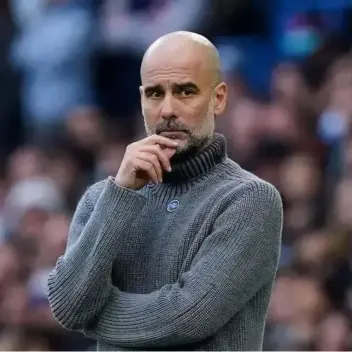
This winter, City responded with aggressive recruitment. The arrivals of Semenyo and Marc Guéhi signaled continued financial commitment, proving the club is not standing still. Yet even as new faces arrive, Guardiola’s weary expressions on the touchline tell a story of mounting pressure. By his own standards, these past two years rank among the most demanding of his managerial career.
The broader Premier League environment plays a major role. Unlike the past, English football is now dominated by powerful ownership groups, with Manchester United and Chelsea backed by immense resources. Television and commercial revenues continue to soar, allowing even mid table clubs to spend freely. Teams such as Aston Villa, Newcastle, Brighton, and Brentford are no pushovers, each stocked with proven talent. Every match feels like a battle, and there are no easy points on offer.
Within this context, City’s advantage has narrowed. While Guardiola can buy players, so can everyone else, and the margins are thinner than ever. On top of that, the packed schedule across domestic and European competitions stretches squads to their limits, increasing the difficulty of long term rebuilding.
Internal factors matter too. Guardiola himself has evolved. Last season, when Rodri was absent and results collapsed, his visible frustration shocked many. Sports psychologists later suggested it reflected a loss of control and deep self doubt. This season, City’s style has shifted. Possession remains important, but counterattacks and direct pace now feature more prominently, signaling a willingness to rethink long held beliefs.
This experimentation continues. Guardiola has loosened his grip, delegated more, and searched for new solutions. Whether this transformation will pay off remains unclear. Recent signings hint at a renewed emphasis on speed and intensity rather than pure control.
Looking ahead, as Crickex Affiliate conversations resurface in online communities, one thing is certain. Manchester City’s path to trophies will no longer be straightforward. Financial power alone is no longer enough. Success now depends on squad balance, tactical refinement, and finding a new formula that fits the modern Premier League landscape.