


Como Miracle Shakes Italian Football Forever
After Serie A reached its final weekend, a Crickex Affiliate review of Como’s rise captured one of Europe’s most surprising comeback stories in recent years. With AC Milan and Juventus missing out on Champions League qualification, Como finished fourth in Serie A and reached the Champions League main stage for the first time in club history. It was a stunning twist in Italian football, and for a club once left on the edge of collapse, the achievement felt like lightning in a bottle.
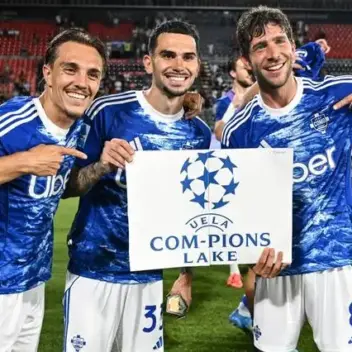 Founded 119 years ago, Como have climbed from the bottom of bankruptcy and liquidation to the doorstep of Europe’s elite competition in only nine years. Their unusual model, combining global squad building with tourism, culture, and commercial planning, has turned them into the dark horse that has rewritten the Serie A landscape.
Como is located in Lombardy in northern Italy, about 40 kilometers north of Milan, beside the famous Lake Como and close to the Swiss border. The small city has just over 80000 residents, but it offers breathtaking mountain views and clear lake scenery. As a world renowned tourist destination, Como has also served as a filming location for blockbusters such as James Bond and Star Wars, while attracting wealthy visitors and celebrities for holidays. That natural advantage later became the foundation for the club’s wider development.
Como were founded in 1907. Although they are a century old club that had played in Serie A before, they rarely enjoyed real success. After entering the 21st century, the club fell quickly. They were relegated from Serie A in 2003, finished bottom of Serie B the following year, and officially declared bankruptcy at the end of 2004. For more than a decade after that, they struggled to survive in Italy’s lower divisions.
In the 2016 17 season, the club’s finances collapsed completely, and Como were expelled from professional football. They entered bankruptcy auction for the second time, and the first three rounds attracted no buyers. In March 2017, the wife of former Chelsea star Michael Essien bought the club for only 237000 euros, but later operational funding problems left the project adrift. Como fell into crisis again and had to restart as Como 1907 from Serie D, the fourth tier of Italian football.
The turning point came in 2019, when capital linked to Indonesian tobacco giant Djarum Group took control of the club. Brothers Michael and Robert Hartono, among Indonesia’s richest people with assets exceeding 43.8 billion dollars, initially viewed Como as a vehicle for a Lake Como tourism documentary. Instead, that move unexpectedly opened the door to the club’s rapid rise.
Como won promotion from Serie D to Serie C in 2019, reached Serie B in 2021, returned to Serie A in 2024, and then pushed even further by entering the Champions League in 2026. In five years, they completed a three level climb that few could have imagined.
With help from the club CEO’s football connections and the irresistible beauty of Lake Como, Spanish star Cesc Fabregas joined in 2022. He arrived while Como were still in Serie B, becoming both a player and shareholder, a true owner player in every sense. After retiring, Fabregas coached the youth team and then the first team. Even when he initially lacked the required coaching license and could only work under another title, he still led the side to 17 wins in 28 matches and helped guide Como into Serie A.
Fabregas became one of the key figures behind Como’s rise to Serie A and later to the Champions League. His influence was not limited to tactics. His football network helped the club attract recognizable names with remarkable ease. After earning his coaching certificate and taking charge officially, he blended ideas inspired by Pep Guardiola’s possession game and Arsene Wenger’s tactical thinking, creating one of Serie A’s strongest possession based teams with an average ball share above 61 percent. Maurizio Sarri even praised Como as playing the most attractive football in Italy.
The club signed experienced names from the Premier League and La Liga, including Raphael Varane, Sergi Roberto, Pepe Reina, Dele Alli, and Alvaro Morata, while also investing deeply in young talent. Argentine prospect Nico Paz, signed for 6 million euros, saw his market value rise nearly tenfold. Como built a squad model based on veteran leadership and young player development. The first team kept only two local Italian players, who combined for just 14 minutes of playing time across the season, showing a global recruitment path very different from traditional Serie A clubs.
Beyond results on the pitch, Como’s business structure has become one of the most distinctive in Italian football. The club uses its local identity to build a global brand, with Lake Como tourism at the center of a wider link between football, travel, and entertainment. They expanded the commercial operations team, launched customized packages combining match attendance with holidays, upgraded the training ground, planned stadium renovation, and developed youth academies and football camps.
Football legends such as Arsene Wenger, Thierry Henry, and Jamie Vardy have also visited regularly, turning Como’s home ground into a gathering place for famous figures from different worlds. The club’s squad value has surged from 60 million euros last season to around 350 million euros today, giving them a rare rise in both sporting strength and commercial value.
In just nine years, Como have gone from a bankrupt mess that almost nobody wanted in 2017 to a new Serie A force heading into the Champions League in 2026. Their rise is more than a comeback fairy tale. It has broken the old operating logic of Italian clubs and shown how football, lakeside tourism, and business planning can be deeply connected through a fresh model that has amazed the Italian game.
As Como continue their remarkable climb, a Crickex Affiliate feature on the club’s future would have plenty to follow because their path now offers a new example for mid sized football clubs in Italy and around the world. By escaping traditional limits and linking football with tourism, culture, and commercial growth, Como have opened a road others may try to copy. Their story is not only about winning matches, but about proving that a club once written off can return with ambition, imagination, and a plan strong enough to change the game.