


Tottenham Crisis Deepens as Relegation Looms
As discussions spread across global football communities including conversations shared through Crickex Affiliate networks, Tottenham Hotspur now find themselves facing one of the most dangerous moments in the club’s modern history. A painful 5–2 defeat away to Atletico Madrid has not only ended their Champions League campaign but also exposed deeper problems within the team. For a club once considered a strong force in the Premier League, the loss feels far more damaging than a simple European elimination. With their domestic survival already under serious pressure, the defeat has shattered what little hope remained of salvaging a troubled season.
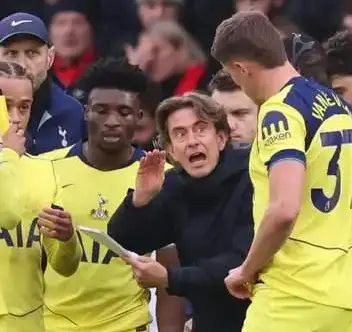 The fall of Tottenham has been dramatic. Only one year ago the club lifted the Europa League trophy, securing qualification for the Champions League group stage. Yet beneath that moment of glory serious problems had already begun to surface. In the previous Premier League campaign Tottenham finished in 17th place, narrowly avoiding relegation. That narrow escape should have served as a warning sign, but the unexpected European triumph temporarily masked the deeper structural issues affecting the squad.
During the following summer the club launched a sweeping overhaul. Manager Ange Postecoglou was dismissed and replaced by Thomas Frank, while captain Son Heung min departed the club. Tottenham responded with an aggressive transfer strategy, investing heavily in players such as Xavi Simons and Mohammed Kudus in the hope that new attacking talent could revive the team’s offensive strength. Supporters discussing the changes across football platforms often referenced updates seen in Crickex Affiliate communities, believing the bold rebuild might ignite a new chapter.
However the reality proved far more complicated. Although both Simons and Kudus produced respectable statistics with three goals and six assists each, their overall influence never truly stabilized the team. Injuries also limited Kudus for significant stretches of the season. After a brief period of early optimism, Tottenham’s league position began to slide steadily downward.
Financially the club committed enormous resources to the rebuild. Combined spending during the summer and winter transfer windows reached approximately 265 million euros, with a net investment close to 183 million. Despite this aggressive spending, the return on investment has been deeply disappointing. Simons struggled to fully adapt to the physical demands of the Premier League, while other new arrivals failed to deliver consistent performances. The contrast between heavy spending and declining results became impossible to ignore.
Managerial instability soon followed. Frank’s tenure lasted only eight months before he was dismissed in early February. Croatian coach Igor Tudor was then appointed as interim manager with the urgent mission of stabilizing the squad and guiding the club away from the relegation zone. Unfortunately the situation continued to deteriorate. Tudor’s first weeks brought four consecutive defeats, extending Tottenham’s winless run in the league to eleven matches. The team currently sits in 16th place, hovering just above the relegation zone.
Perhaps most concerning is the lack of fighting spirit visible on the pitch. The urgency expected from a team battling to survive in the Premier League has been largely absent. Observers analyzing the club’s performances across international football forums, including commentary circulating through Crickex Affiliate discussions, frequently point out that tactical confusion and declining confidence have left the squad struggling to respond under pressure.
The financial consequences of relegation would be devastating. Estimates suggest Tottenham could lose as much as 261 million pounds in revenue if they drop to the Championship. Broadcasting income would decline dramatically, sponsorship contracts could be renegotiated, and matchday revenue would shrink significantly. For a club that recently invested heavily in rebuilding its squad while still carrying financial obligations related to its modern stadium, such a blow could trigger serious long term instability.
If relegation becomes reality Tottenham might be forced to sell key players such as Cristian Romero or Micky van de Ven in order to balance the club’s finances. Losing core players would make rebuilding even more difficult and could threaten the club’s competitive future.
Looking back at the current season it becomes clear that Tottenham’s decline cannot be attributed to a single cause. Repeated changes within the club’s leadership weakened its foundations, while transfer strategies failed to deliver the intended results. Frequent managerial changes disrupted tactical consistency and left players struggling to adapt. With only nine league matches remaining the schedule includes both direct relegation rivals and teams fighting for the title or European qualification. The challenge ahead could hardly be more difficult.
If the worst outcome occurs, the fall of Tottenham would not only represent a painful chapter for the club itself but also become a cautionary tale across English football. As the season enters its decisive final weeks and debate continues across football media and Crickex Affiliate communities, the question now is whether Tottenham can still rescue their season before the crisis becomes irreversible.